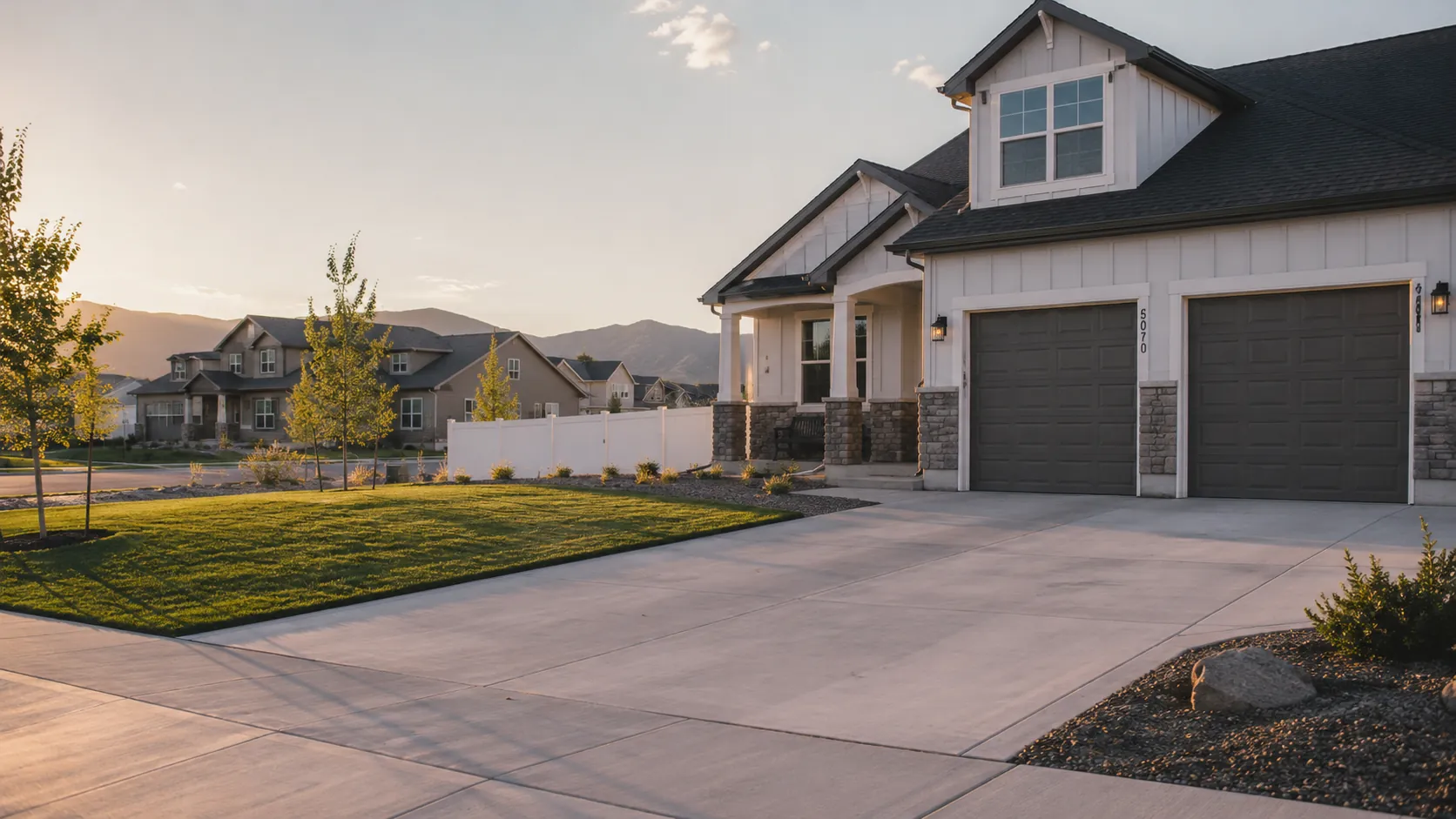
Cedar Park, TX
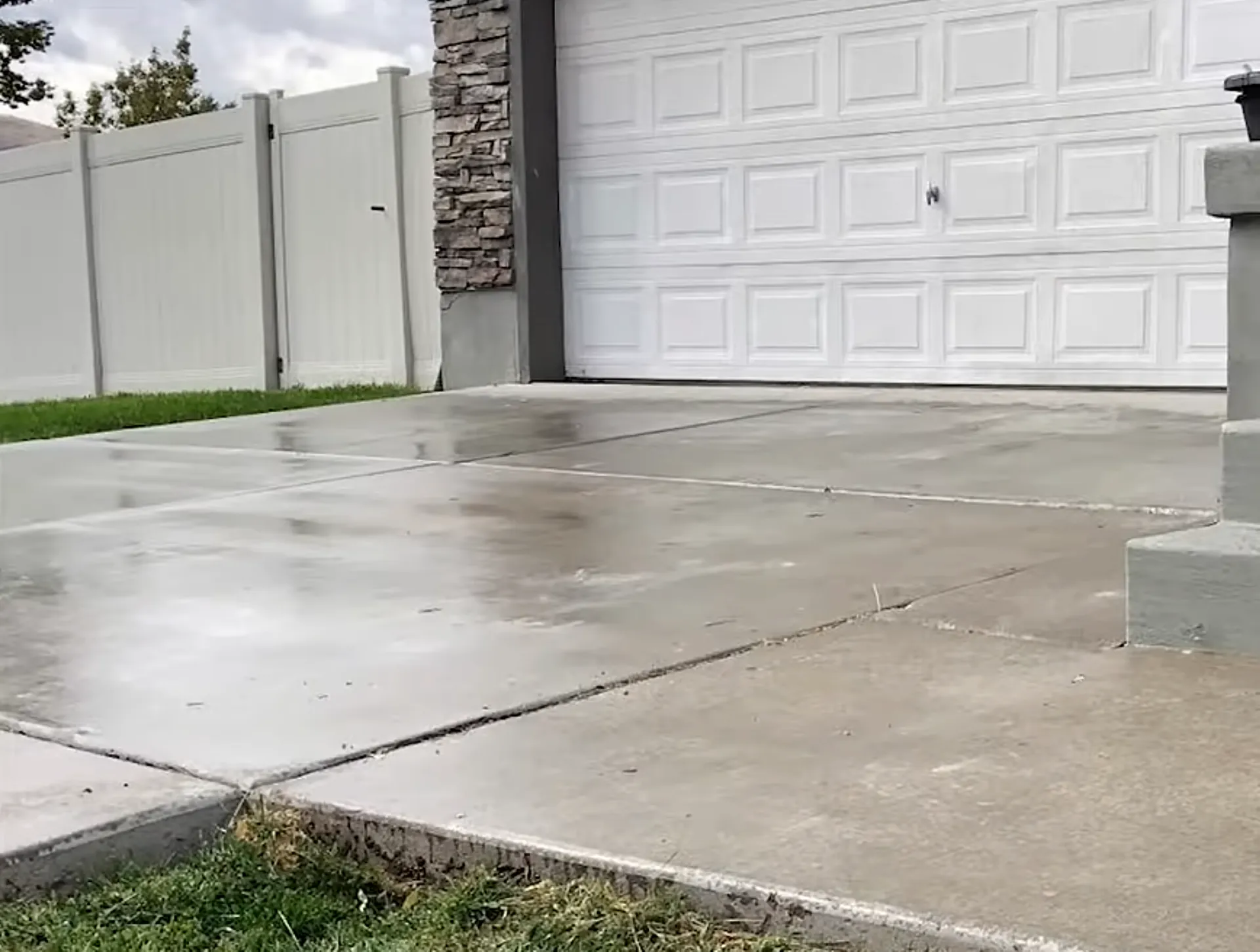
Don't live with uneven cement slabs, water pooling near your foundation, or that lip on the driveway where every tire catches. Mudjack and polyjack are methods to lift your concrete up to grade for a fraction of replacement cost.
No Jackhammers Required
The majority of people that see a sunken slab in their yard imagine the worse; jack hammer crews, days of mess and a five figure price tag. Breath easy. In almost every case we look at, the slab itself is still structurally sound. The problem lies just beneath the surface.
When the soil (clay) under your slab no longer supports it, that's when your slab sinks. Here in Central Texas, this occurs much more frequently than most other regions due to our unique geology. We exist in an area known as the "expansive clay belt" which swells during rain events and shrinks during the dry summers. As these cycles occur over the years, they create gaps beneath your slabs.
Removing the slab will be nearly impossible to justify. Concrete leveling brings your slab back to its original elevation (grade) by filling the space created from those voids. There are two primary methods for doing so; mudjacking utilizes a cement based slurry to pump into the void below your slab, while polyjacking employs an expanding polyurethane foam. Both are faster, cleaner and less expensive than installing new concrete
Schedule Your Free Inspection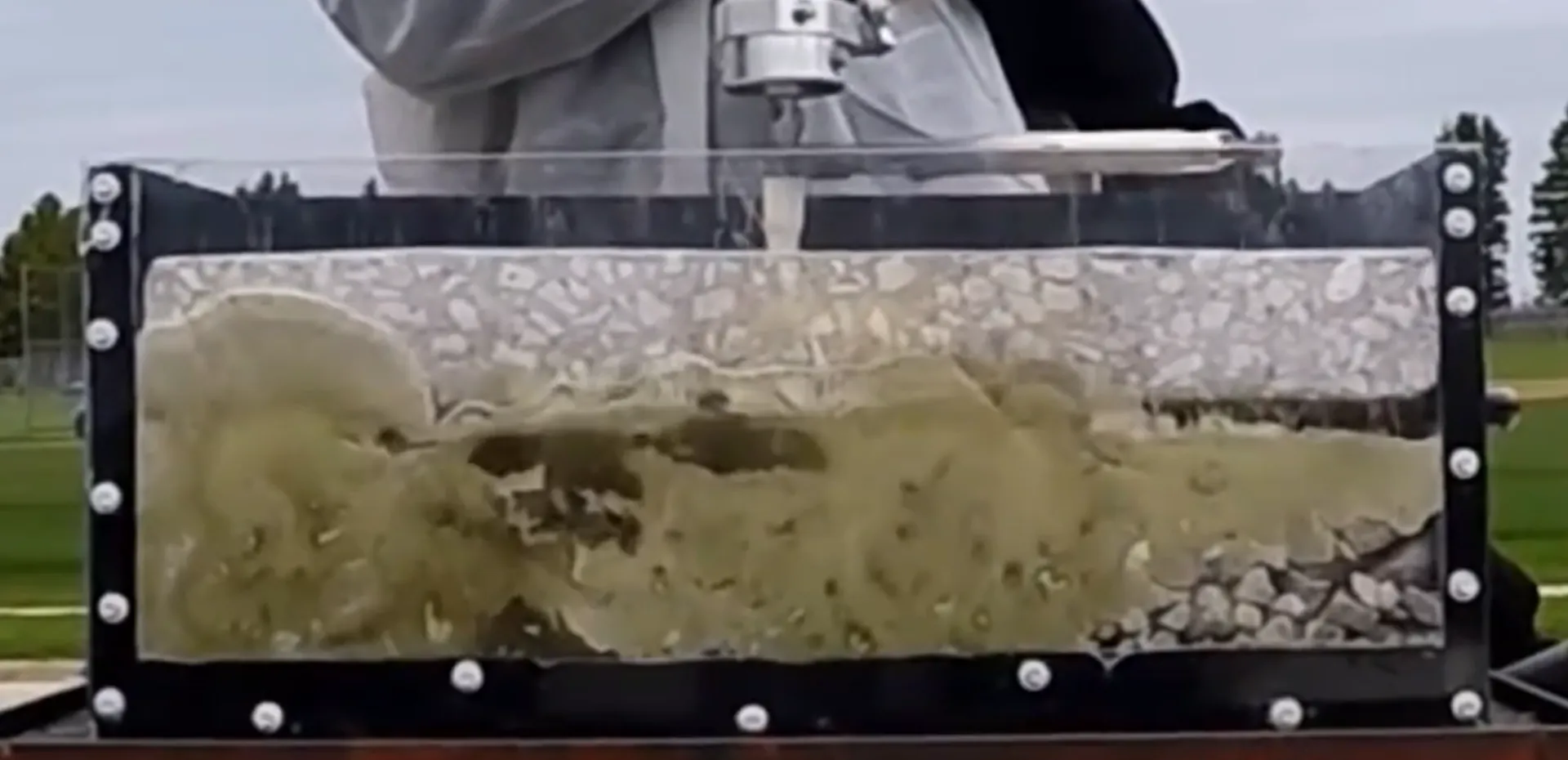
What We Do
Dropped driveways, cracked sidewalks, sinking pool decks, and lowered front steps. Even the slab beneath a backyard sport court can settle. Whatever type of concrete has sunk or shifted, we have found a way to move it back where it belongs.
We use Mudjacking & Polyjacking (the two leading techniques) to raise sunken slabs. We drill small holes into the top of the slab, inject the correct material and the slab will rise to its original height. The best thing about this method is that there is no need to break-up the concrete.
Learn more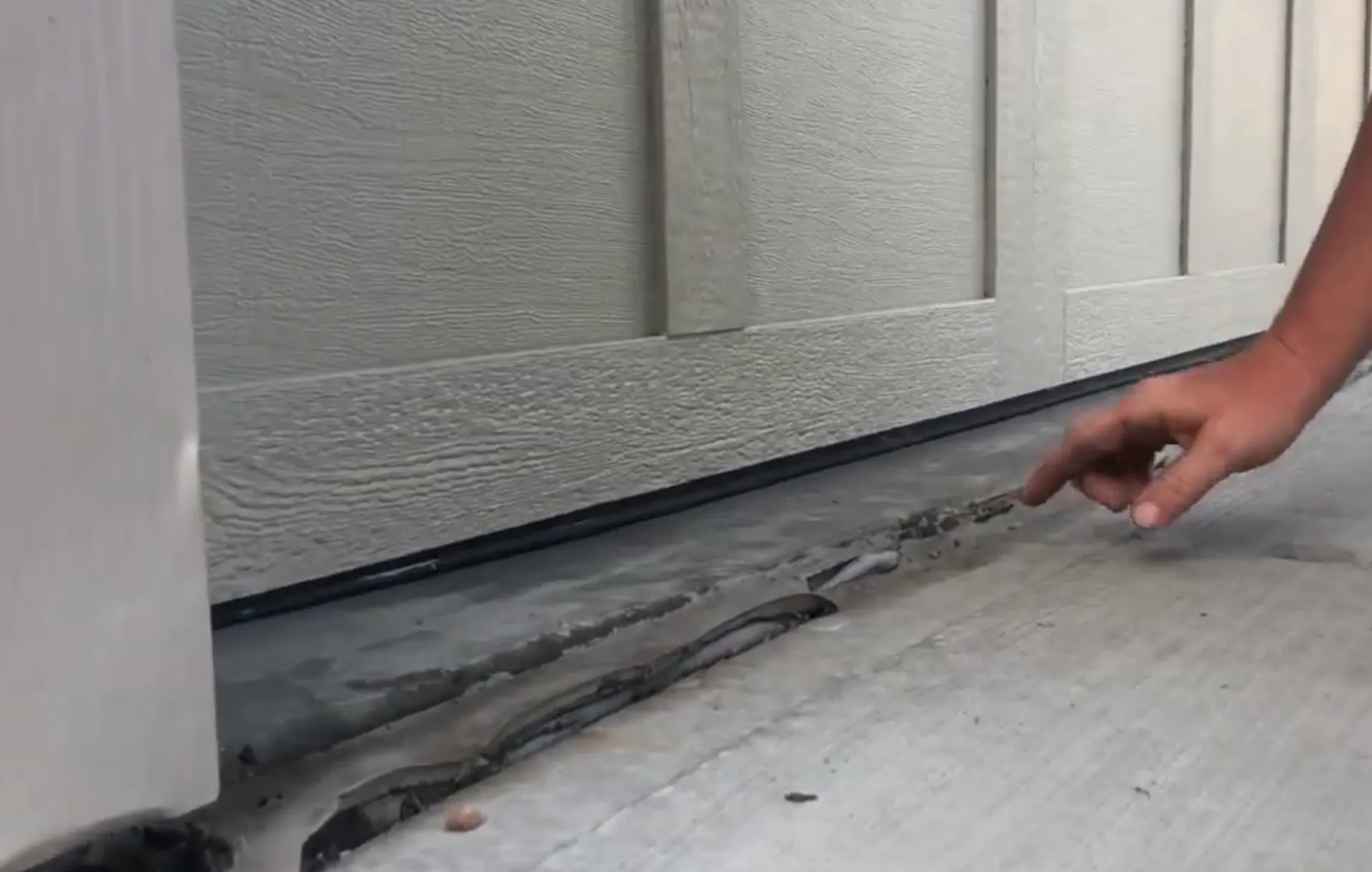
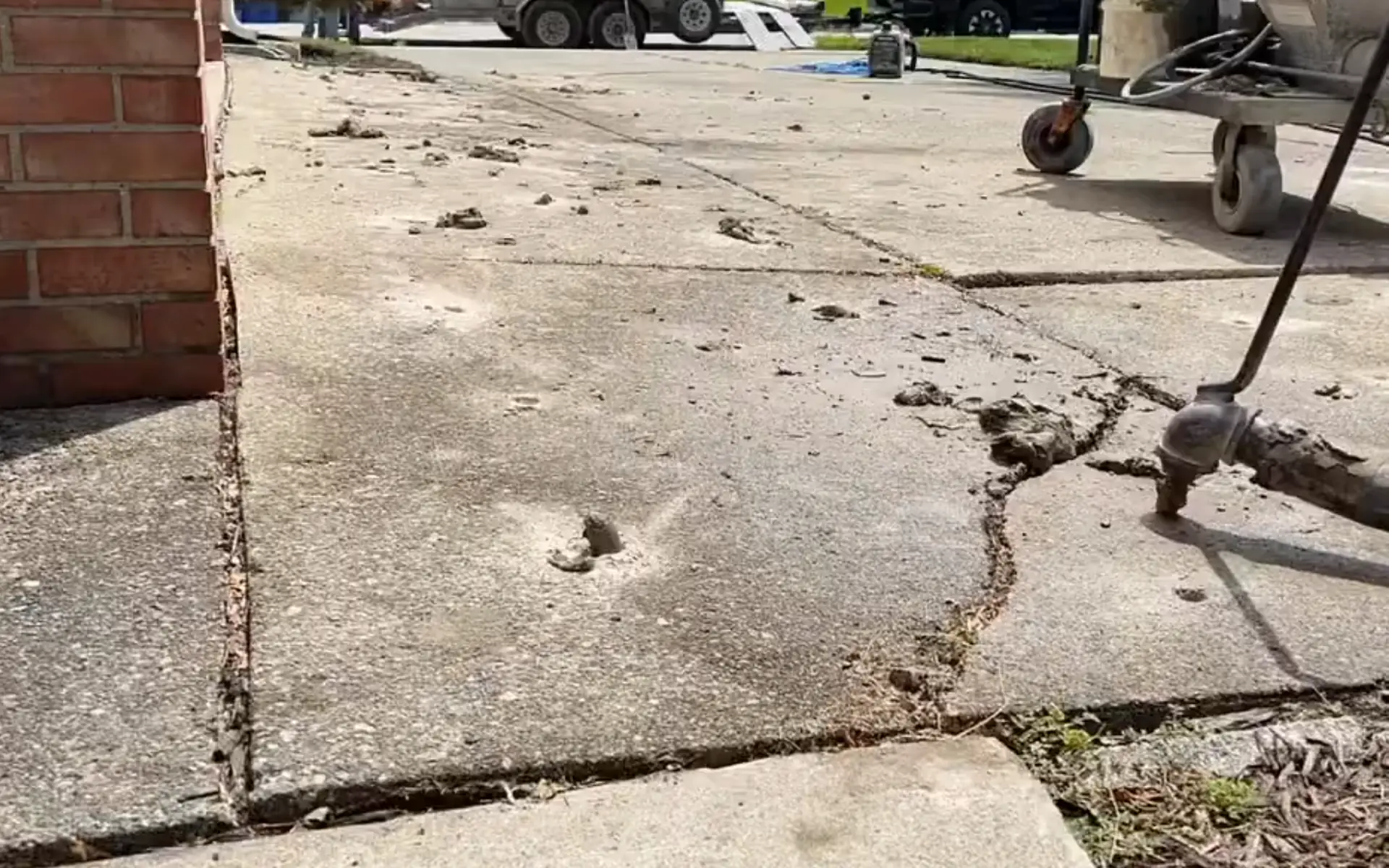
If your driveway has sunk down, causing damage to your car bumper, making it hard to pull into your garage smoothly, creating a puddle when it rains and making it difficult to enter your garage, we will restore your driveway by repairing the damaged sections.
Learn more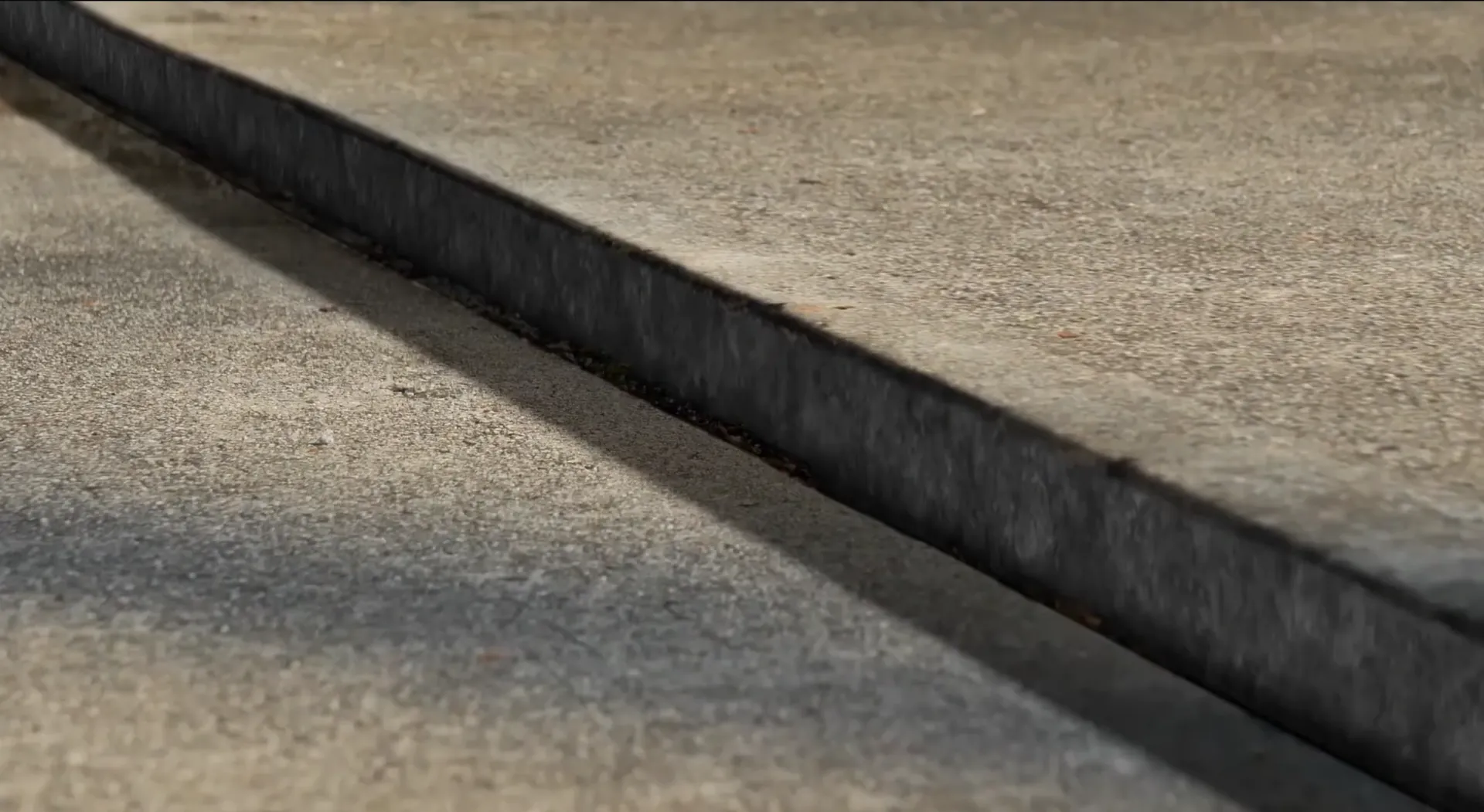
Tripping over an uneven sidewalk is a serious safety concern. We make certain that once we raise your sunken sidewalk panels, they match perfectly with their surrounding cement so that your sidewalk is both visually pleasing and safe to walk upon.
Learn moreChoosing the Right Method
Although both methods work equally well for lifting a settled slab, the primary differences between them lie in what they are injecting under the slab. Here's a brief comparison.
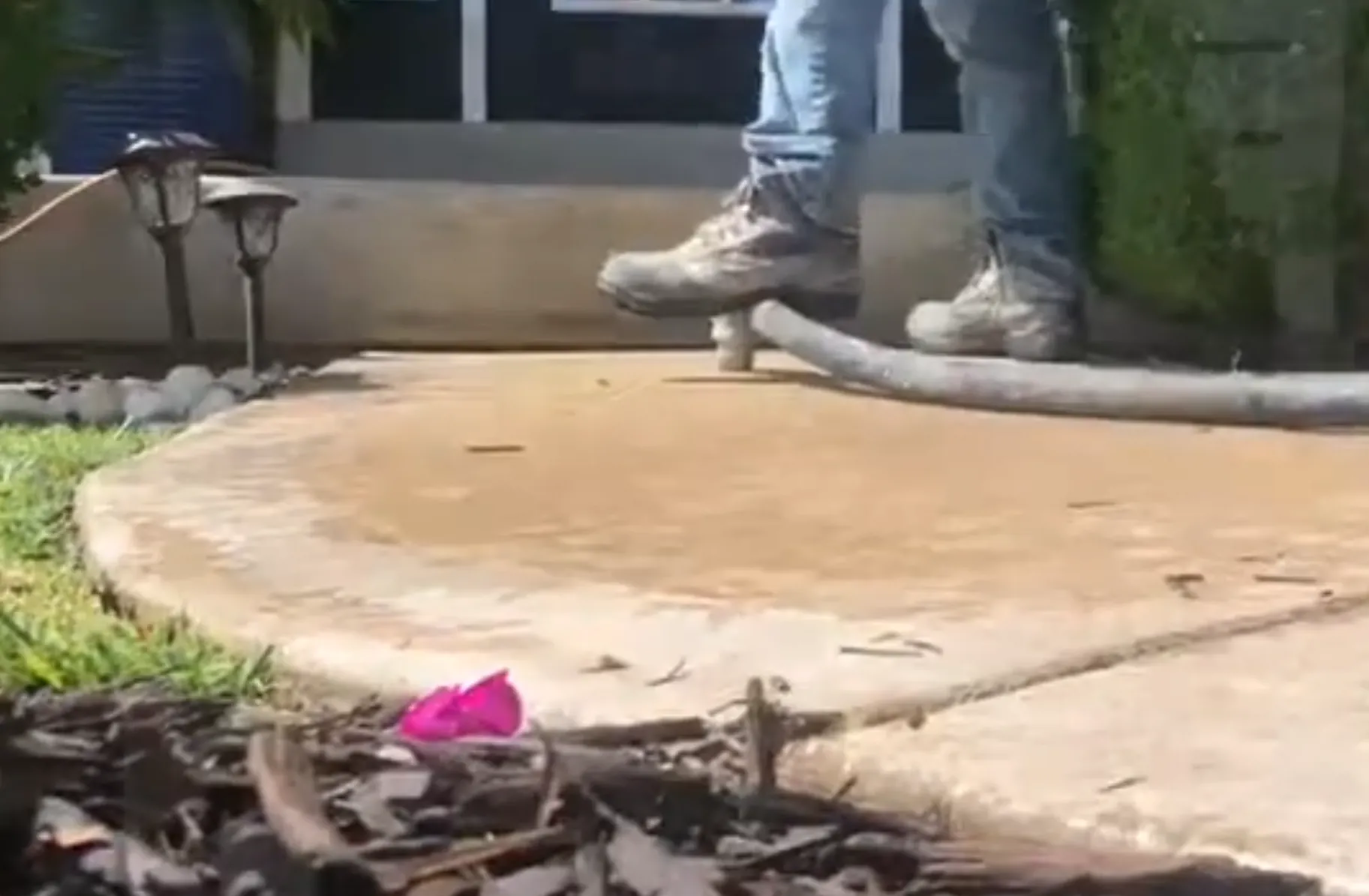
Mudjacking has been around longer. Once a few holes are drilled into the top of the slab, we pump a thick paste consisting of water, soil, sand and cement under the slab. As the slurry fills the gaps between the dirt below and the underside of the slab, it applies upward pressure to push the slab back up to its original height. Afterward, we patch the holes we made so that no visible evidence remains on the surface.
Mudjacking is generally less expensive per square foot compared to polyjacking. Partly due to its long-standing reputation as a viable solution, mudjacking has remained a popular option. However, since you need to give it 24-48 hours to completely cure, and since the holes we punch in each slab tend to be larger than those used with polyjacking, there may be limitations to when you can use it again.
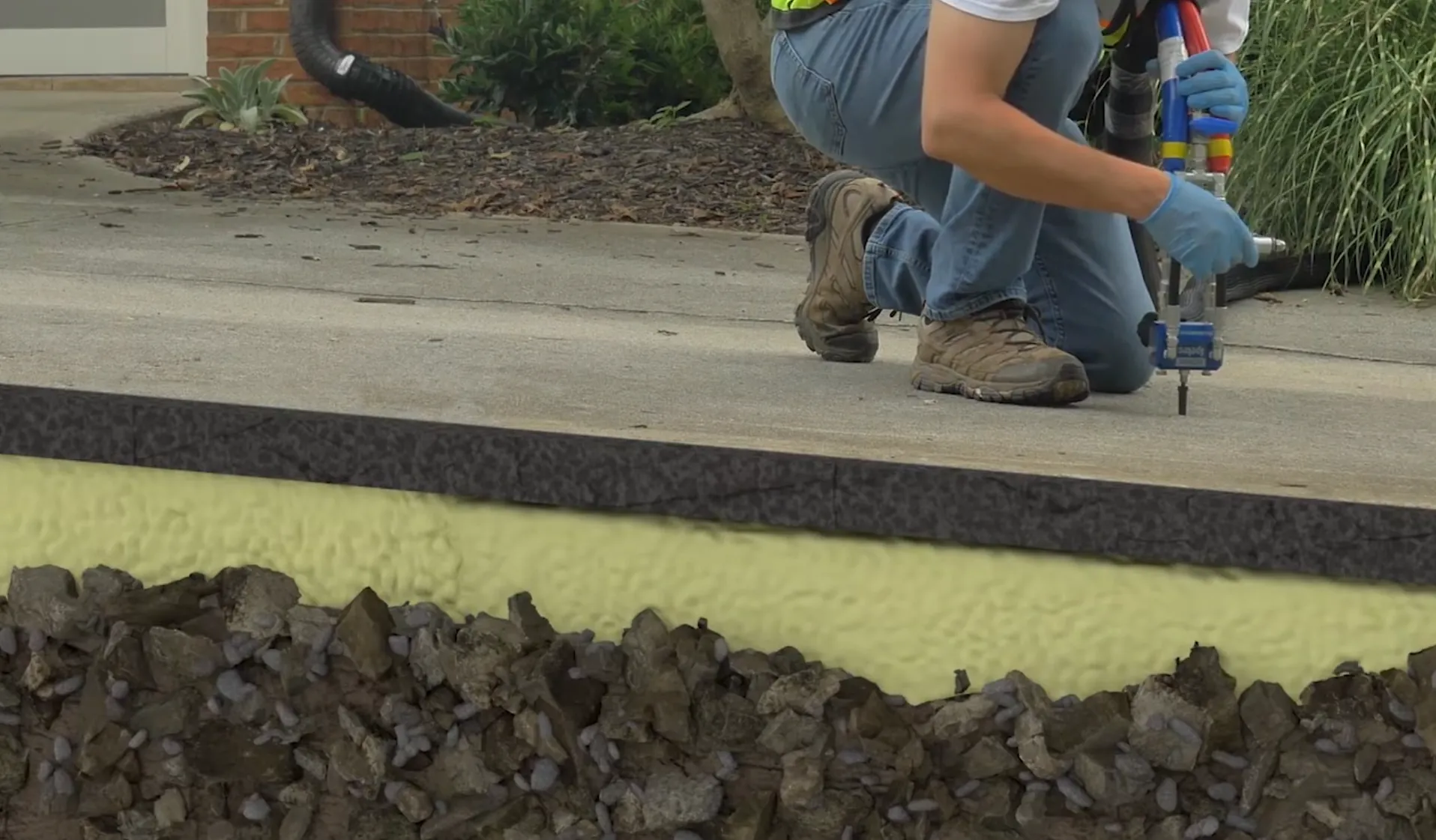
Polyjacking uses a two-part polyurethane foam. We inject the two liquids separately through very small holes in the slab. Almost immediately after mixing, the two separate liquids form a foam that expands rapidly filling any gaps between the soil and concrete. This rapid expansion generates constant upward force pushing against the underside of the slab and slowly raises it back to its original elevation. Typically within 15-30 minutes of completing the job, the foam has fully hardened and solidified.
For many homes in Cedar Park, Texas; polyjacking is typically our preferred choice for most residential applications. With polyjacking, you're able to walk on the area as soon as we've finished applying the product, drive on it later that same day, and almost never notice where the repairs were applied. Additionally, because the weight of polyurethane foam is significantly lighter than mudjacking slurry; much less stress is placed on the underlying soil allowing it to continue supporting the now elevated area without additional burden.
Still unsure about which option works best for your situation? This is why we offer free inspections. After evaluating the area in question, and determining how you plan to utilize this space; we will give you an honest answer regarding which technique we believe is most suitable for you.
Warning Signs
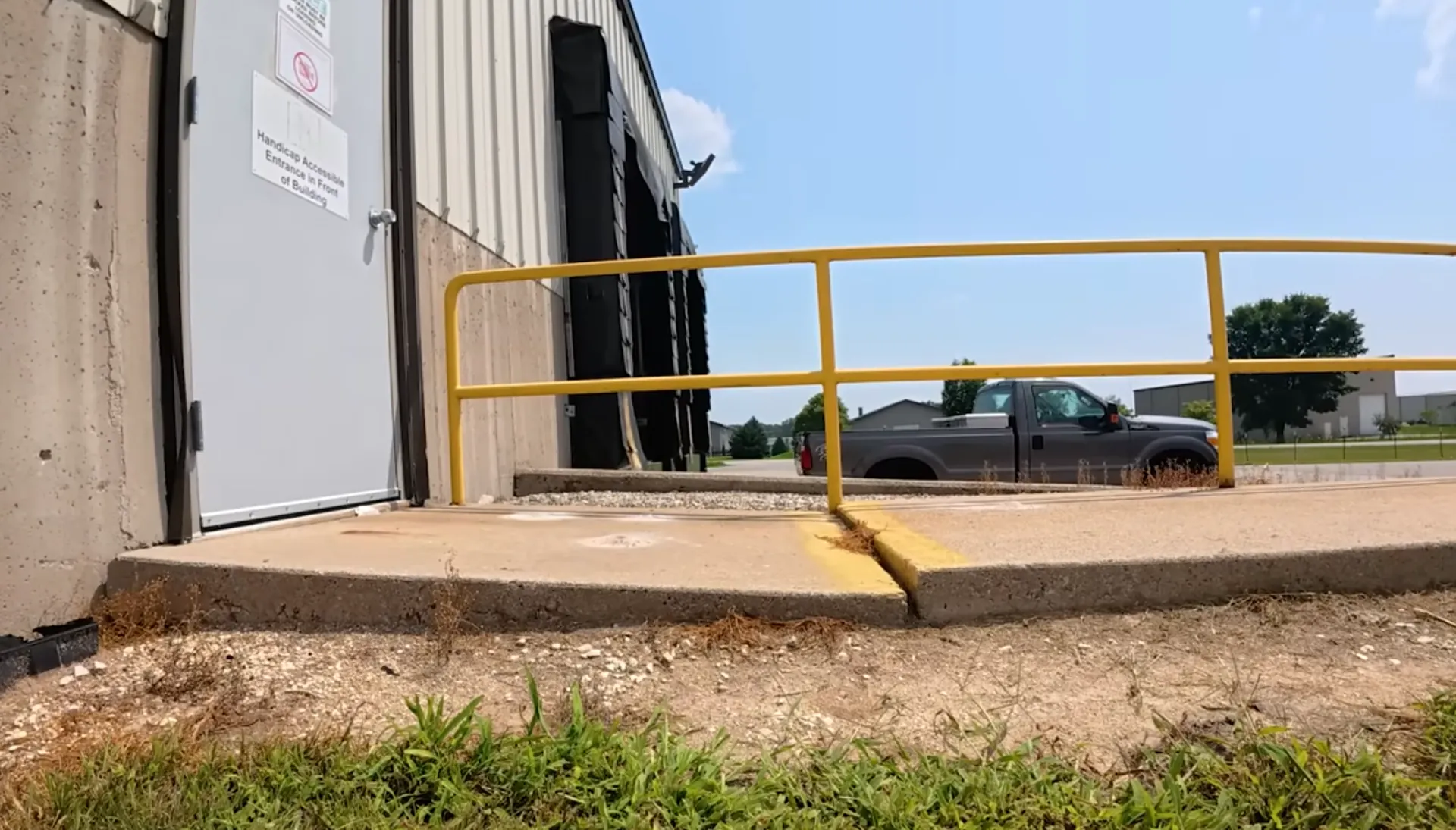
Most settling occurs gradually. Homeowners become accustomed to the movement of their slab long before they even notice the extent of the settlement. Take some time this weekend to stroll around your property and see if you find yourself checking off two or more of the following signs. If so, a phone call may be worthwhile.
This is a sign that there has been shifting or washing away of the earth below the slabs.
Water naturally follows gravity. Slabs that have settled towards the home create a path for rainwater to follow to the lowest point, typically directly to the foundation.
If concrete appears to move underneath your feet, it indicates that there is sufficient space between the concrete and the earth below. In this case, instead of relying upon the support provided by the soil, the concrete itself must absorb the pressure being applied to it.
As a result of shrinking or erosion of soil immediately surrounding the perimeter of a slab, it loses its ability to provide stability and the resulting stress causes cracking along the outer edge(s) of the slab.
A pulled-up front stoop provides an obstacle to stepping onto the porch while also creating a channel for rainwater to flow into the home through the previously formed gap.
Local Knowledge Matters
Williamson County rests on a thick layer of clay known as expansive soil. Geologists describe expansive soils as those that expand during periods of high rainfall due to their ability to absorb large amounts of water. They contract again when dry. Due to repeated cycles of wet/dry conditions in Central Texas, each cycle alters the underlying clay beneath your slab by creating a new profile. After several years of weathering through Texas summers, the clay eventually ceases to match the underside of your concrete. And, at that point, it is here that the issues begin.
Roots of trees contribute further to the problem. Trees' root systems extend out into areas such as driveways and sidewalks searching for moisture and can lift slabs up as they grow. Older tree roots can collapse leaving empty tunnels where dirt can migrate. Roots and shifting clay cause the same headaches for asphalt paving as they do for concrete.
Cedar Park, Leander, and Round Rock are located on the same type of ground, and every year we visit homes throughout these communities that tell essentially the same story. If your neighbors have experienced sunken driveways, there is likely a strong possibility that your slabs too are being affected by similar earth conditions. It also does not matter what the top of your slab looks like. A plain gray concrete driveway and a decorative stamped concrete patio both rest on the same shifting clay, so both can settle over the years.
Simple Process
Jobs are completed within just a few hours. Here is a breakdown of the process from beginning to end, so that you'll never be surprised
We’ll come to your home, take a walk around your slabs with you, check for issues and see how water flows over the top of the slabs. This service costs nothing and there’s no sales pitch.
Before we ever pull out any equipment, we’ll give you a complete explanation of what’s happening underneath your slab, what method we plan to use, and how much it will cost. If we believe your slab is not suitable for lifting, we’ll let you know.
We drill a series of small holes into the slab; Pump material into those holes and lift the slab slowly and evenly until we reach the desired height.
Patch all the holes, sweep up all debris, and show you exactly what we’ve accomplished prior to packing up. And if you choose Polyjacking, your slab can be used immediately.
Real Work, Real Results
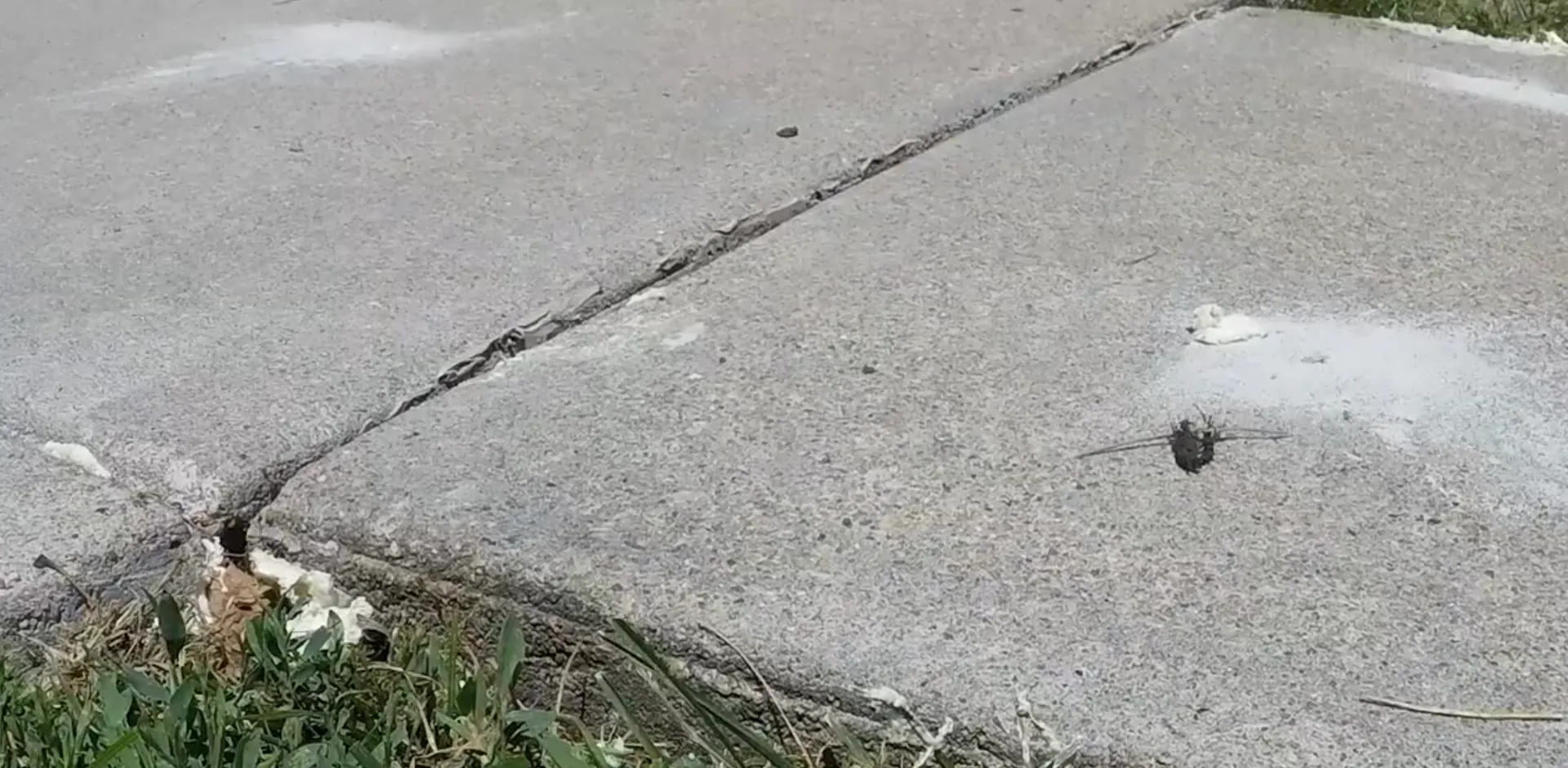
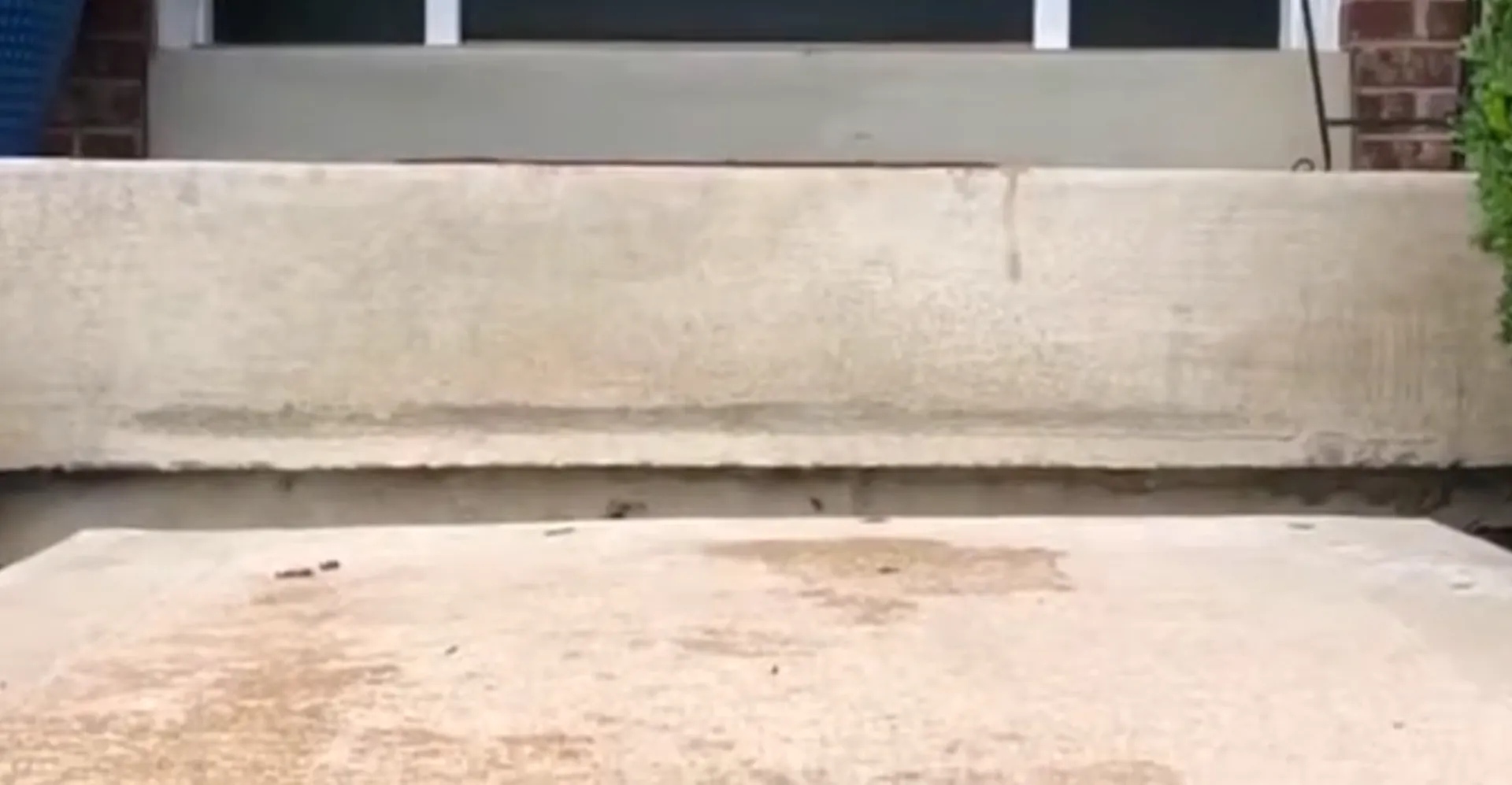
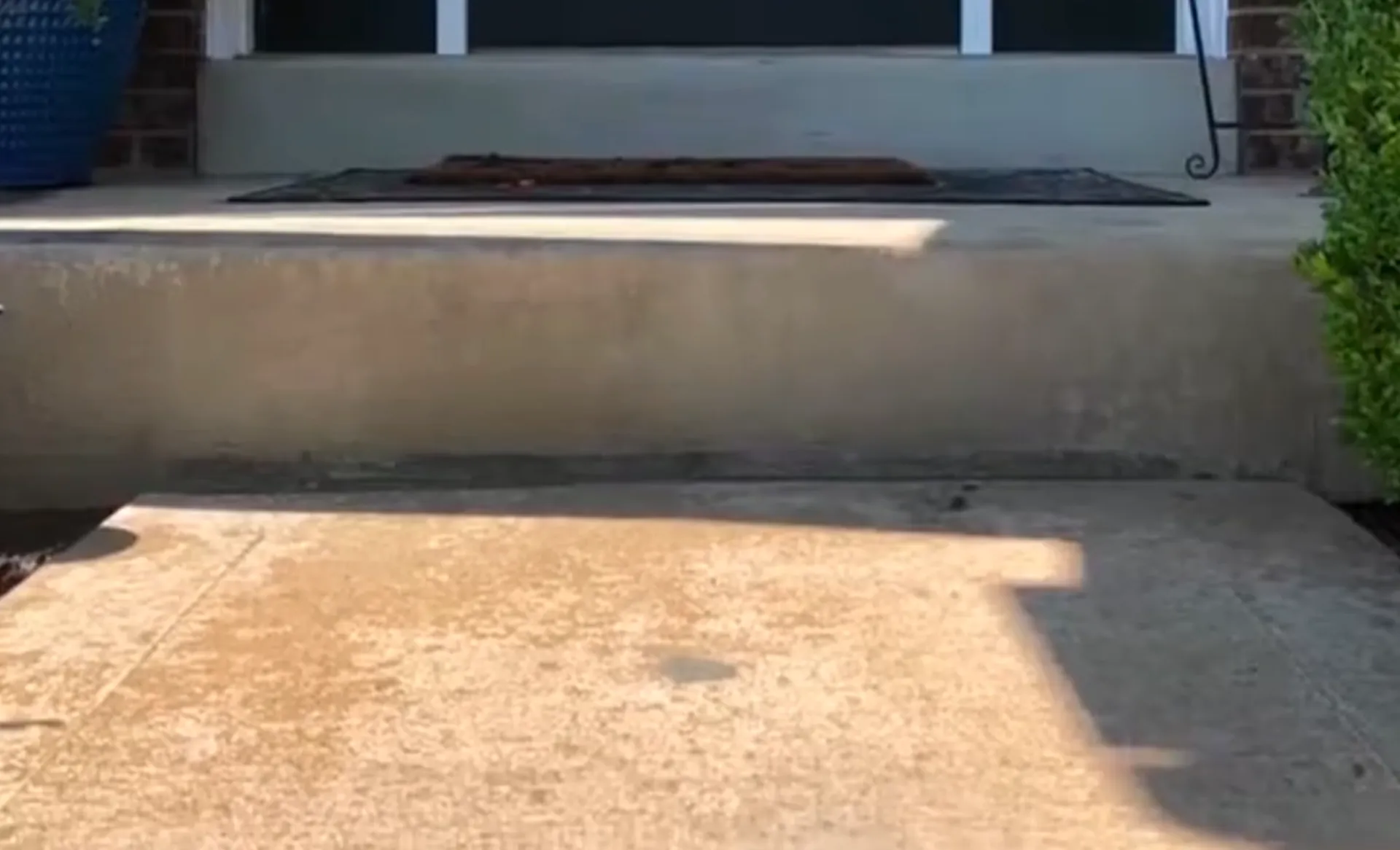
A few quick looks at slabs we have raised on homes around the area.
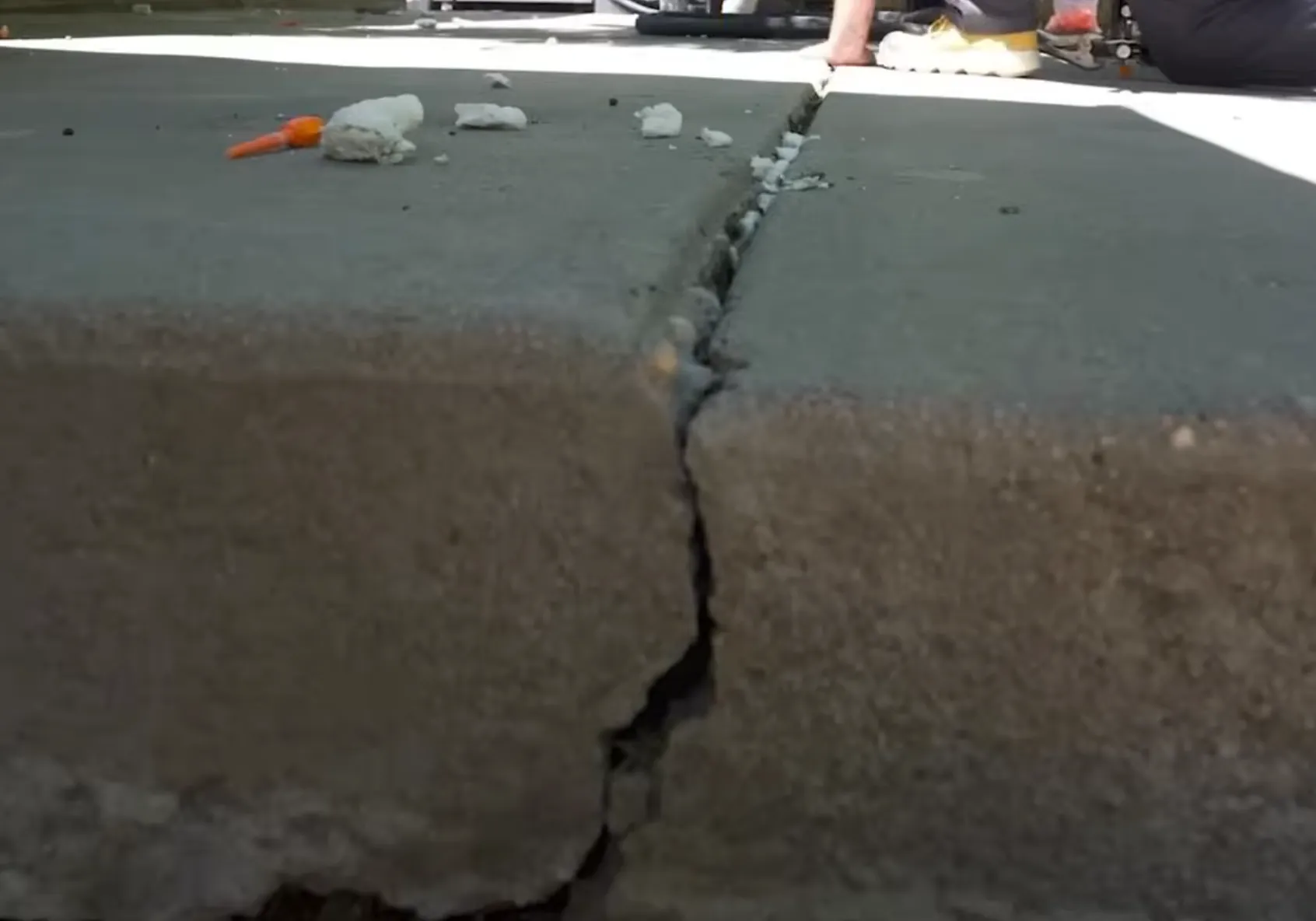 Before
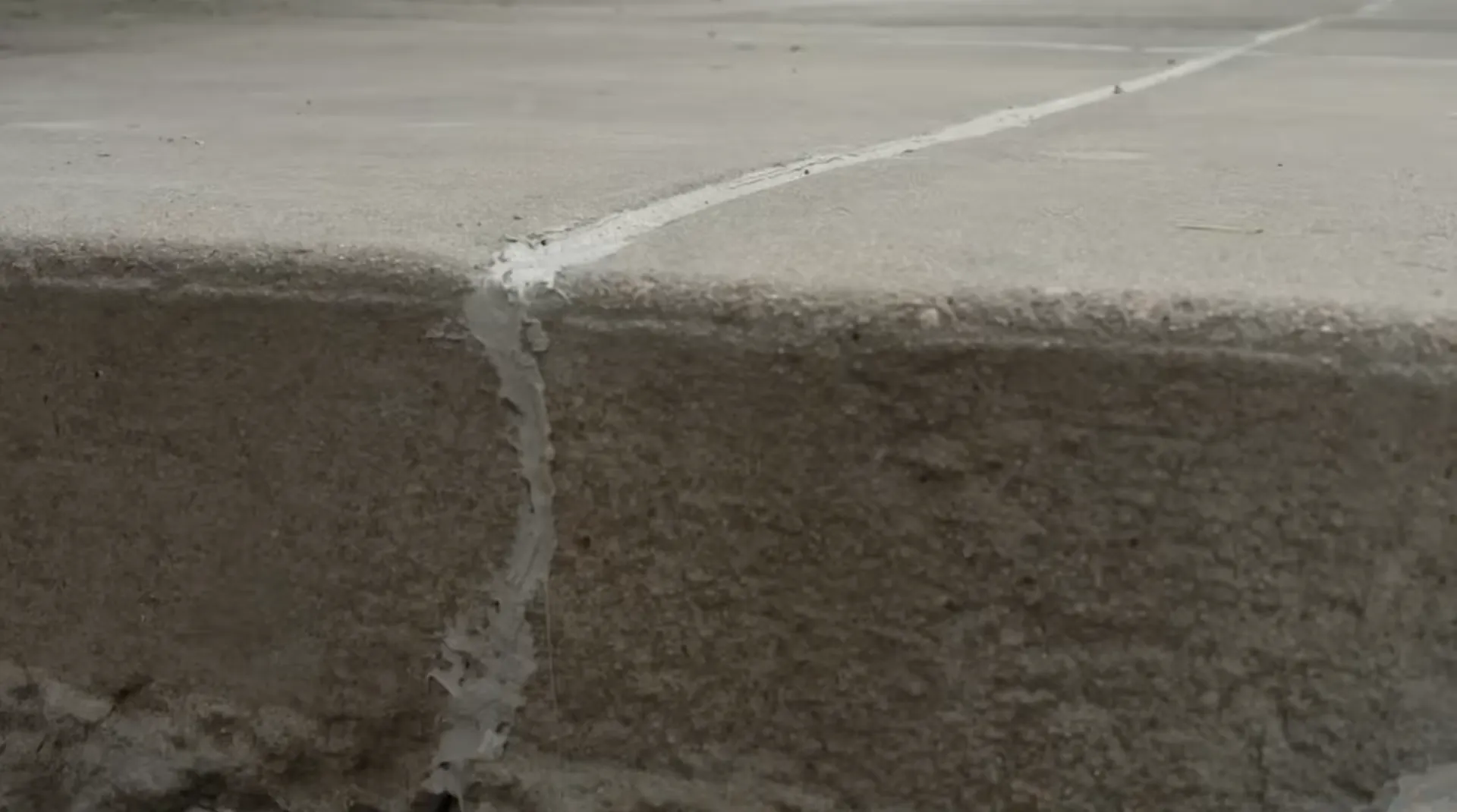 After
After
Sunken Slab Leveled
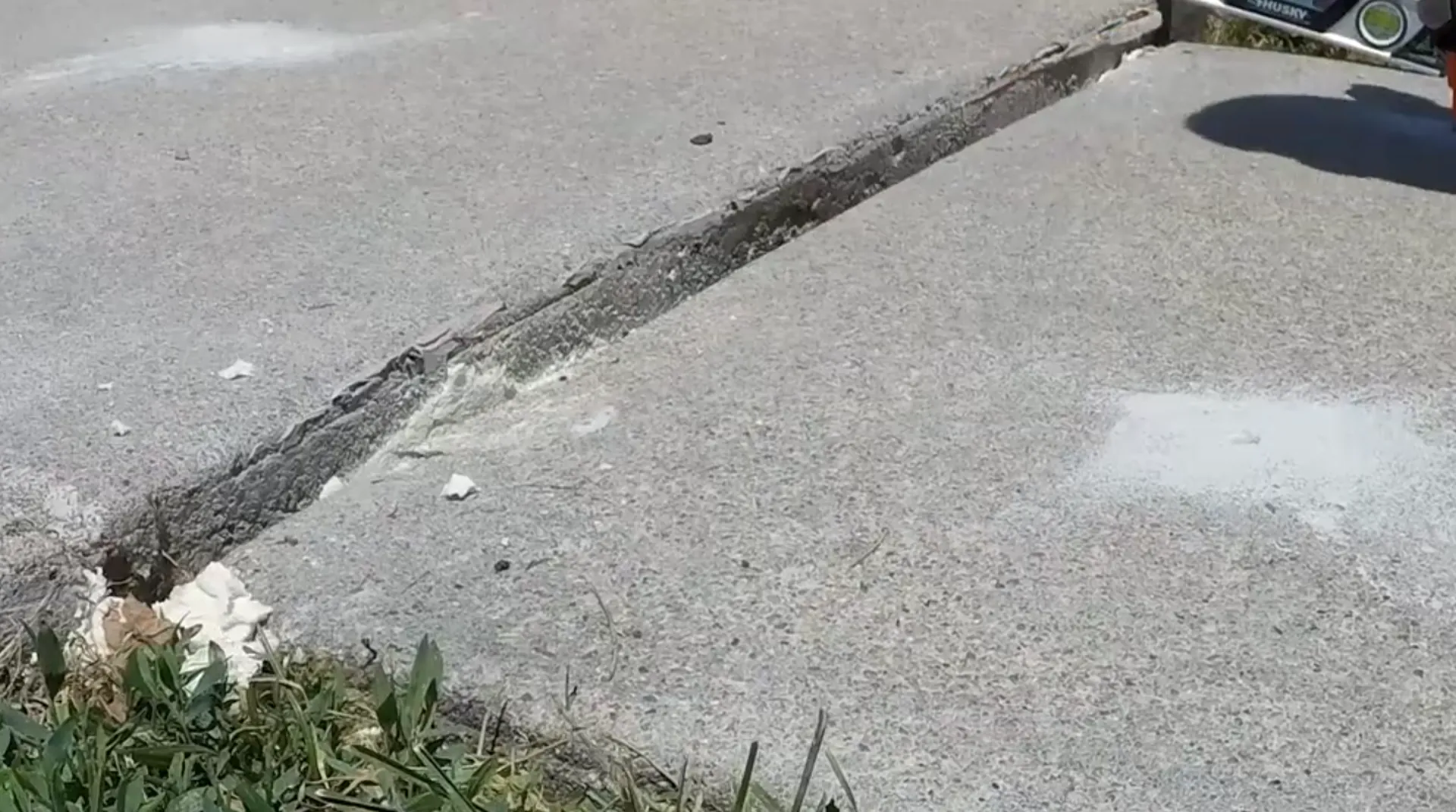 Before
 After
After
Driveway Restored
 Before
 After
After
Front Stoop Raised
Why We Are Different
Our crew services Cedar Park, Leander and Williamson County. Therefore, we understand the soil conditions, drainage patterns and how concrete reacts on the Texas dirt.
Each project is protected by our liability policy. Your property is protected from the moment the first drill bit touches your driveway until we finish the final patch.
No hidden or additional fees. No extra work you didn’t authorize. You receive an exact, itemized quote prior to drilling your first hole, and that’s the price you pay.
Leveling projects typically require only one trip. When using Polyjacking, most customers are able to park their vehicle on the lifted area later that same day once we’ve finished.
If something doesn’t feel right after we leave, please don't hesitate to contact us. We'll be happy to return and make it right. No fighting over a slab. Our company's name on our truck represents our commitment to quality work.
There's no charge for us to come take a look. You'll receive an honest assessment of your slab, a written quote, and no pressure to book a project.
Common Questions
You can count on the leveling lasting a minimum of 5-10 years if the root problem was already addressed. Many of the slabs we have raised are still level decades later. The longevity of the job depends on how much water and soil activity there is going on around your home. If during the walkthrough we find something that suggests the lifespan could be less, we'll point it out to you ahead of time.
Yes, the cost of leveling a concrete slab is going to be significantly less expensive than replacing the slab entirely. Additionally, you save money associated with demo fees, dumpsters, and weeks of having to wait for new concrete to set up enough to allow driving on it. In most cases, it just doesn't make sense to pay more. On the rare occasion a slab is too far gone to lift, a quality concrete contractor can re-pour just that section.
Using polyurethane (poly) foam, once the foams have cured (which takes about 15-30 minutes), you're good to start walking on it and driving on it the very next day. With mudjacking, it typically takes 24-48 hours before you can safely drive over it. However, you may be able to walk on it sooner than that. Before we leave your property, we will provide you with a detailed timeline so you'll know exactly when things are safe to go back to normal.
While they are certainly visible if you look for them, they are quite small. The holes used for polyurethane injections are roughly about the size of a dime. The holes for mud jacking are larger. Each hole is filled and matched with the color of your slab as close as possible. Most people report they don't even notice them after a season.
Clay is the primary culprit here. Clay expands when moist and contracts when dry; after repeated moisture/dry cycles, the clay no longer fully supports the voids beneath your slab. When combined with factors such as tree root growth, improper placement of down spout water discharge or poorly compacted fill dirt during construction, this reduces the structural integrity supporting your slab. When the support structure fails, gravity causes the concrete to drop. On sloped lots, a failing retaining wall can make things worse; have a masonry contractor assess the wall before any slab behind it gets lifted.
Leander, Round Rock, Georgetown, Pflugerville, Hutto, and Austin metro area. If you are unsure if you reside within our typical operating area please call us. We are willing to travel some distance for quality jobs.
We are located in Cedar Park. Our vehicles run throughout Williamson County and neighboring cities on a weekly basis. Regardless if your home is located near us, downtown, or any of the surrounding suburbs, feel free to contact us and we will let you know how soon we can swing by.
Book a free inspection. We will come out, look at any area you're concerned about, talk through what we see, and hand you a written quote. There is no obligation to schedule service nor are there any hidden fees.
Call (512) 380-1555 Request an Online QuoteMon-Sat, 7am to 6pm. Free walkthroughs, no obligation.
